
Cleaning Around Your Implants
Keep Implant Components Clean
Food, plaque and debris can accumulate around the implant components that extend above the gums. Clean these areas daily using a soft toothbrush, paying particular attention to the base of each implant attachment where it meets the gum tissue.
Super floss can also be used to clean around implant components and areas that may be difficult to reach with a toothbrush. A water flosser may provide additional cleaning where appropriate.
Maintaining these areas is an important part of protecting the tissues surrounding your implants.
Cleaning Your Denture
Pay Attention to the Attachment Areas
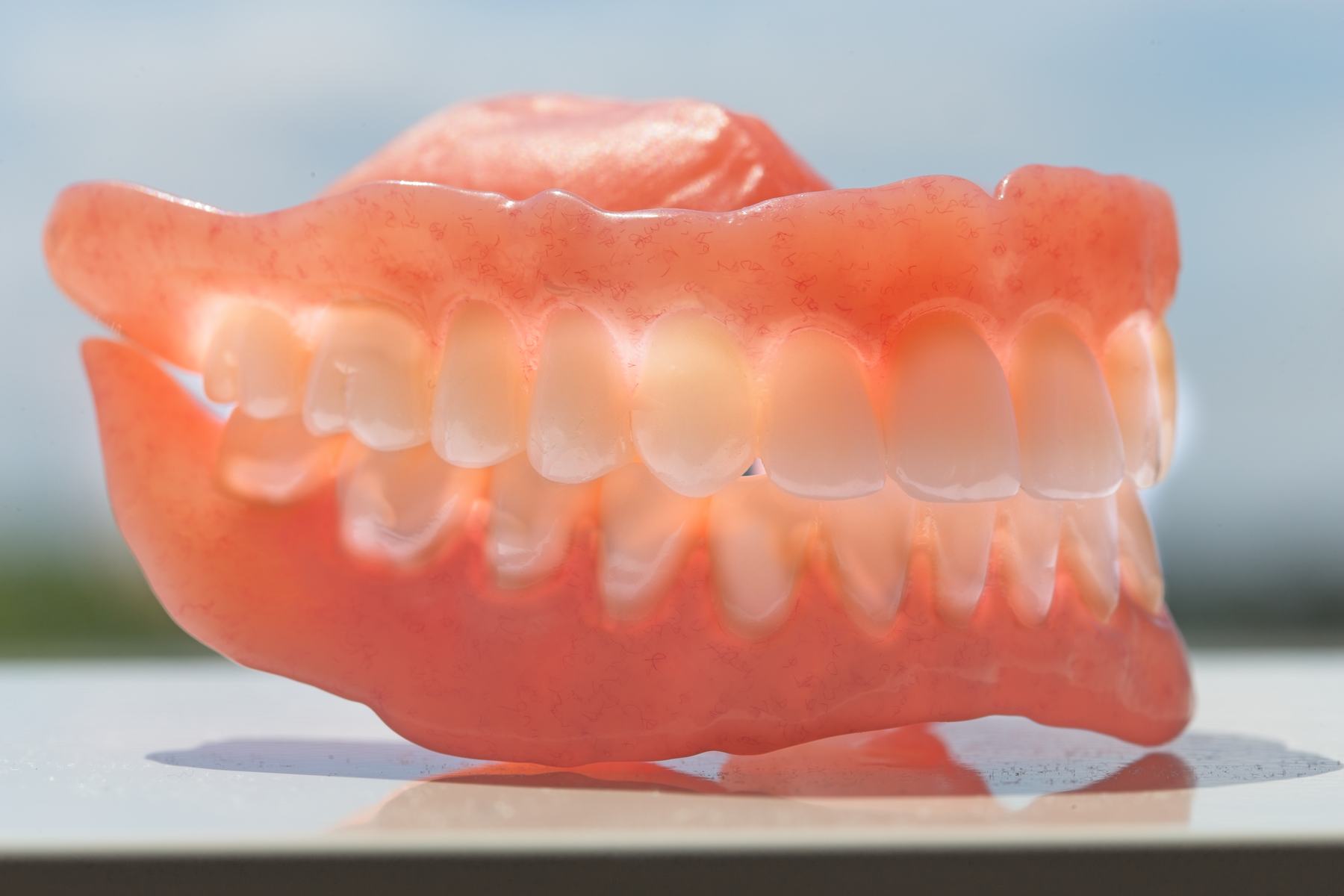
Clean your implant-supported denture regularly using a denture brush and an appropriate denture-cleaning product.
The recessed attachment areas inside the denture also require careful cleaning. Food and debris can collect inside these areas and interfere with how the denture connects to the implants.
Atrium's care instructions specifically recommend keeping the small recessed attachment areas, or “dimple holes,” clean and ensuring the insert clips remain free of debris.
Inserting & Removing Your Denture
Protect the Attachment Components
Your implant-supported denture should connect securely with the implant attachments without requiring excessive force.
Follow the insertion and removal technique demonstrated by Atrium Denture Clinic. Improper technique can contribute to premature wear of the attachment components and may affect retention over time.
If your denture becomes unusually difficult to insert or remove, do not force it into place. Contact Atrium so the denture and attachments can be assessed.
Attachment Clips
Retentive Components Naturally Wear Over Time
The clips or inserts within an implant-supported denture are designed to engage with the implant components and provide retention. These parts naturally wear with repeated insertion and removal and will eventually require maintenance or replacement.
The rate of wear can vary. Insertion and removal technique, implant positioning, cleanliness, changes in the supporting bone and gums, and habits such as clenching or grinding can all influence how quickly the components wear.
If your denture no longer feels as secure as it once did, worn attachment components may be one possible cause.
Changes in Denture Fit
Implant-Supported Dentures May Still Need Relining
Dental implants provide additional retention, but the gums and supporting bone beneath your denture can still change over time.
As these tissues change, spaces may develop beneath the denture and cause it to rock against the implant attachments. This movement can affect comfort and contribute to unnecessary wear on the attachment system.
A denture reline may be recommended when appropriate to restore support beneath the denture and improve its stability.
Professional Maintenance
Regular Examinations Remain Important
Atrium recommends annual examinations of your implant-supported dentures. These appointments allow Michael Watson DD to assess the denture, fit, bite, attachment components and supporting tissues.
You should also continue regular examinations with the dentist or dental specialist responsible for your implants. Implant-supported denture care is collaborative, with your denturist maintaining the denture and your dental professional monitoring the implants and surrounding oral health.
When to Contact Atrium
Watch for Changes in Fit, Retention or Function
Contact Atrium Denture Clinic if you notice:
- Excessive movement or rocking of your denture
- Reduced retention
- Difficulty inserting or removing your denture
- Cracks, chips or other denture damage
- Loose, worn or deformed attachment inserts or housings
- Clicking or changes around the attachment components
- Pinched, irritated or inflamed gums
These changes should be assessed rather than ignored, particularly when the denture is placing unusual pressure on the implant components.
When to Contact Your Implant Provider
Some Concerns Require Dental Assessment
Contact the dentist or dental specialist responsible for your implants if an implant feels mobile, an implant abutment appears loose, or you experience pain, swelling, bleeding, discharge or other signs of inflammation or infection around an implant.
The implant itself should not be adjusted or treated as a denture repair.
FAQs
Implant-Supported Denture Care Questions
How often should I clean my implant-supported dentures?
Your denture and the implant components in your mouth should be cleaned daily. Pay particular attention to the attachment areas where food and plaque can accumulate.
Do implant denture clips need to be replaced?
Yes. Retentive clips and inserts naturally wear with use and may eventually require replacement. If your denture feels less secure than it previously did, the attachment components should be assessed.
Can implant-supported dentures become loose?
Yes. Attachment components can wear, and the gums and supporting bone beneath the denture continue to change. Either factor can affect denture stability and retention.
Can implant-supported dentures be relined?
Yes, when appropriate. Changes in the supporting tissues can cause the denture to rock or lose support even though it remains connected to the implants. A professional assessment can determine whether relining is recommended.
Should I use a water flosser around my implants?
A water flosser can be helpful for cleaning around implant components and difficult-to-reach areas. Atrium can provide guidance based on your individual implant and denture system.
Ongoing Implant Denture Care
Protect Your Investment With Regular Maintenance
Implant-supported dentures are designed to provide greater stability, but they still require ongoing care. Daily cleaning, proper insertion and removal, regular denture examinations and continued care from your implant provider all contribute to maintaining the complete system.
If you notice a change in fit, retention or comfort, have it assessed before it develops into a larger concern.
