
Denture Relines
Restore the Fit of Your Existing Dentures
Your mouth naturally changes over time. The bone and gums that support your dentures gradually reshape and shrink, but your dentures remain the same shape. As a result, dentures that once fit comfortably can eventually become loose, unstable or uncomfortable.
A denture reline can help restore that fit without necessarily replacing the entire denture. At Atrium Denture Clinic, Michael Watson DD can assess your existing dentures and determine whether relining is an appropriate way to improve their fit, stability and comfort.
What Is a Denture Reline?
Updating Your Denture to Fit Your Changing Mouth
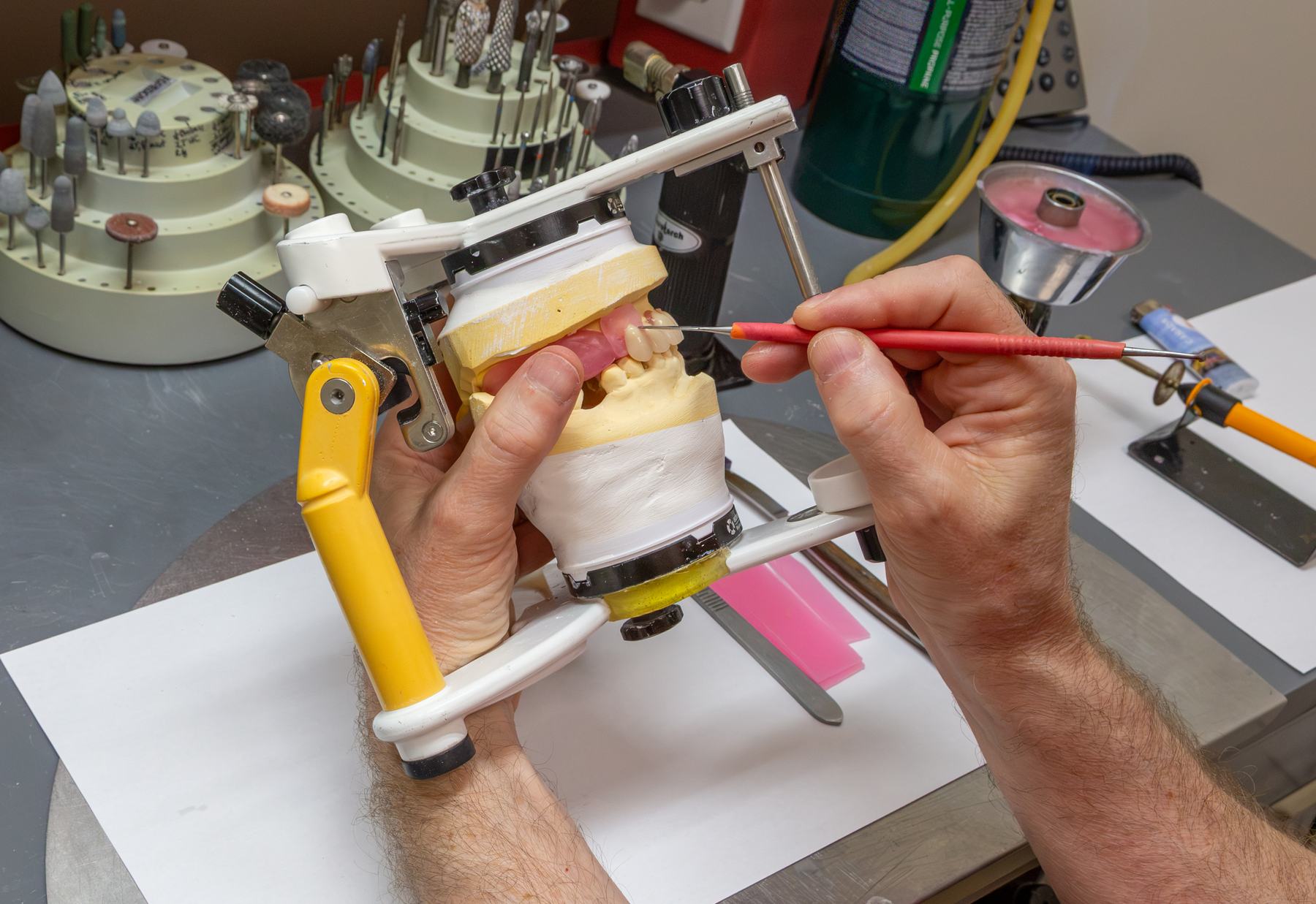
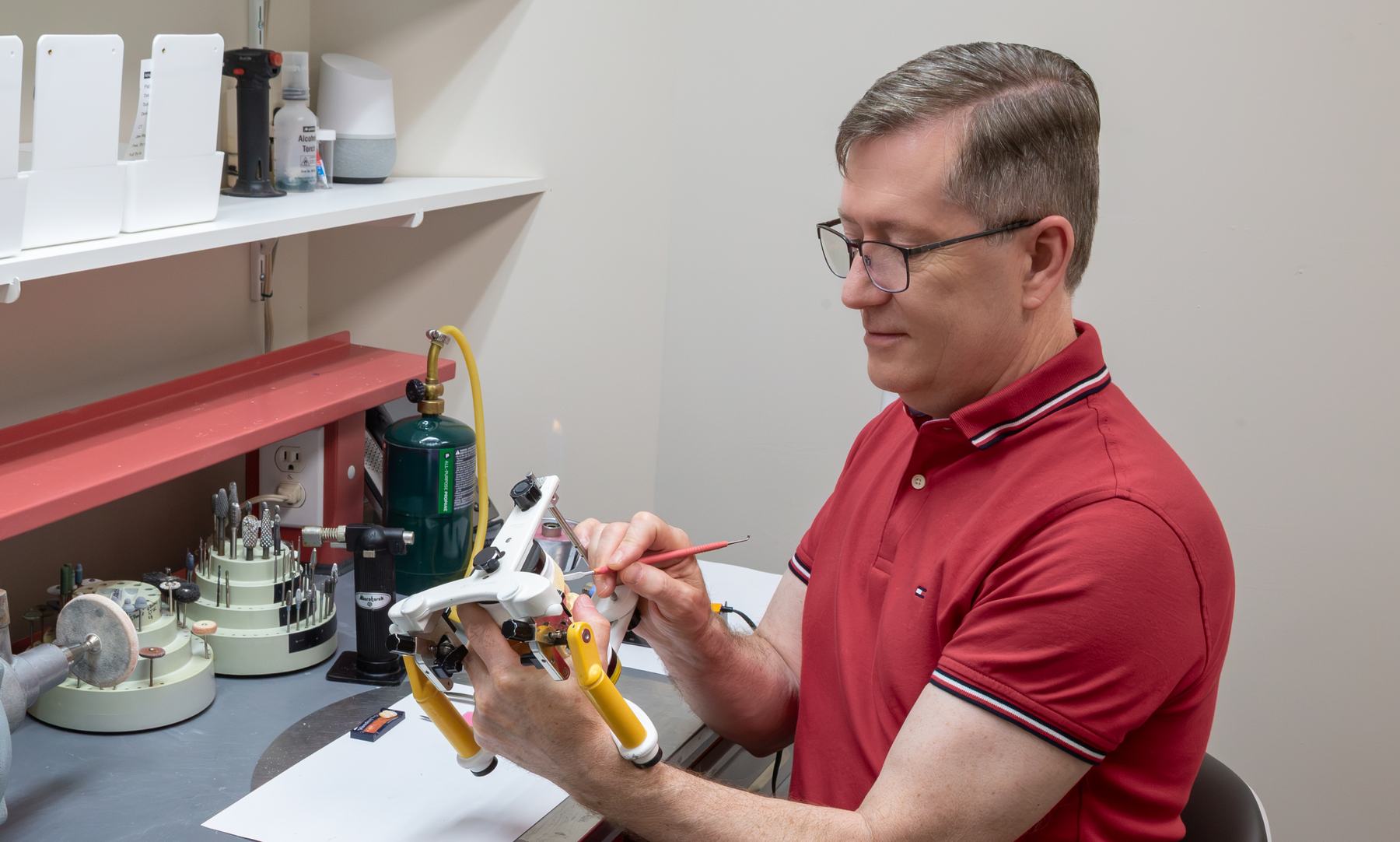
A denture reline involves adding new material to the fitting surface of your existing denture so it more closely matches the current shape of your gums and supporting tissues.
Think of it like replacing the insole of a well-made shoe. The outer structure remains, but the surface that fits against your body is updated to better accommodate changes that have occurred over time.
During the relining process, material is removed from the inside of the denture and a new impression of your mouth is taken. Fresh acrylic is then added to create an updated fitting surface while maintaining the existing denture.
Signs You May Need a Reline
Has Your Denture Fit Changed?
Changes in denture fit often happen gradually. You may begin noticing increased movement, reduced retention, changes in your bite or areas of discomfort that were not previously present.
Because the supporting bone and gums continue to change after tooth loss, these symptoms do not necessarily mean there is something wrong with the denture itself. They may simply indicate that the shape of your mouth has changed enough that the fitting surface needs to be updated.
A professional assessment can determine whether a reline, adjustment or replacement is the most appropriate next step.
Why Denture Fit Changes
Your Denture Stays the Same, Your Mouth Does Not
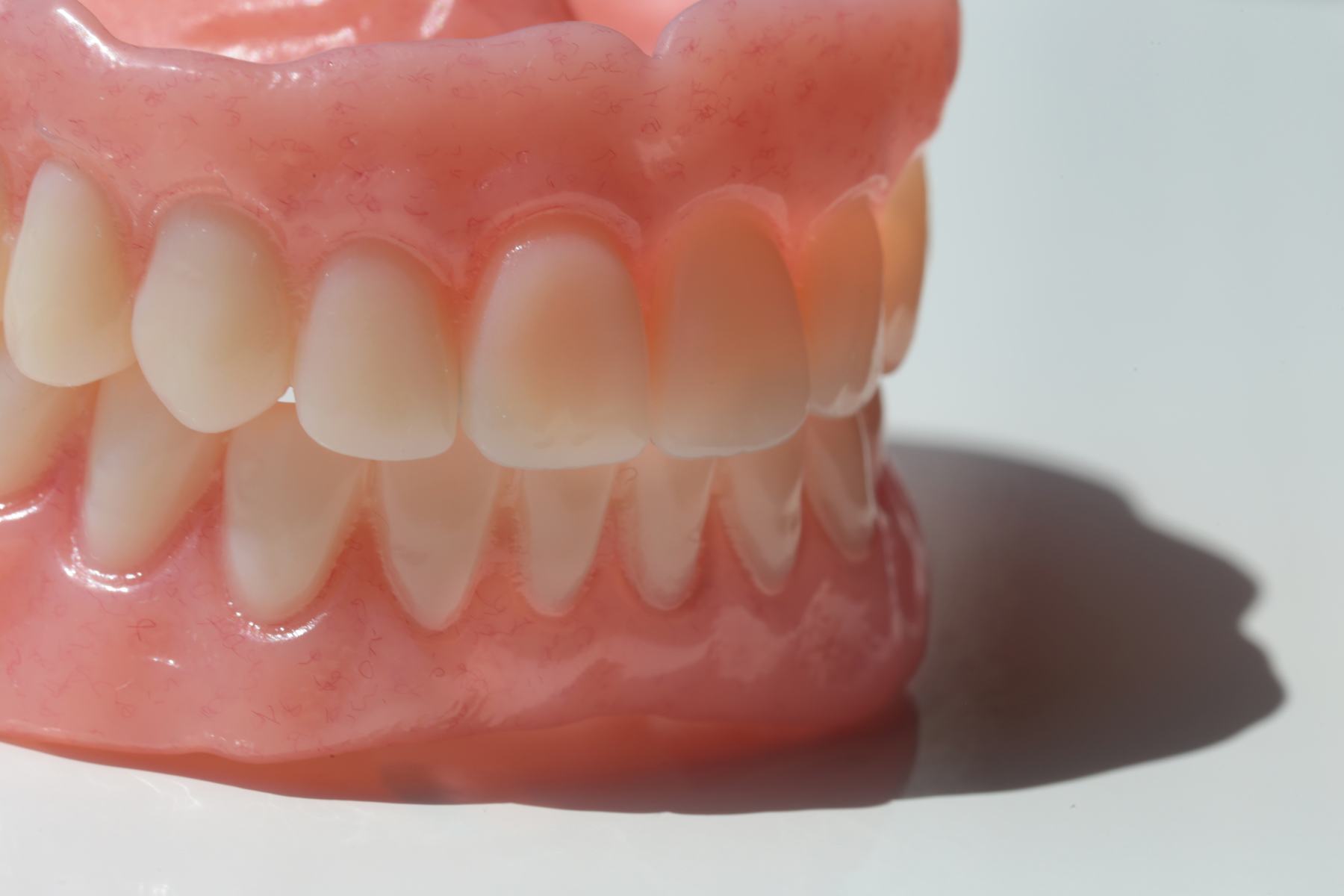
Following tooth loss, the supporting bone naturally remodels and gradually shrinks throughout your lifetime. The gums covering that bone change with it.
Your denture, however, maintains the shape it had when it was originally fabricated. Over time, this difference can create spaces between the denture and your gums, reducing the seal, retention and stability that help keep the denture in place.
Regular denture examinations allow these changes to be monitored and addressed before they create larger fit or comfort concerns.
Relining vs. Replacing Your Dentures
Do You Need a Reline or a New Denture?
A loose denture does not automatically need to be replaced. If the denture remains in suitable condition and the primary concern is a change in the fit against your gums, a reline may be an appropriate solution.
However, relining cannot correct every problem. The age and condition of the denture, tooth wear, bite changes, damage and the amount of change within your mouth all need to be considered before determining the best approach.
Atrium's patient information indicates that relines are commonly required approximately every two to five years, while denture replacement is generally recommended within five to seven years depending on changes in the mouth and overall denture wear. These timelines vary from patient to patient.
Ongoing Denture Care
Regular Checkups Help Protect Your Fit
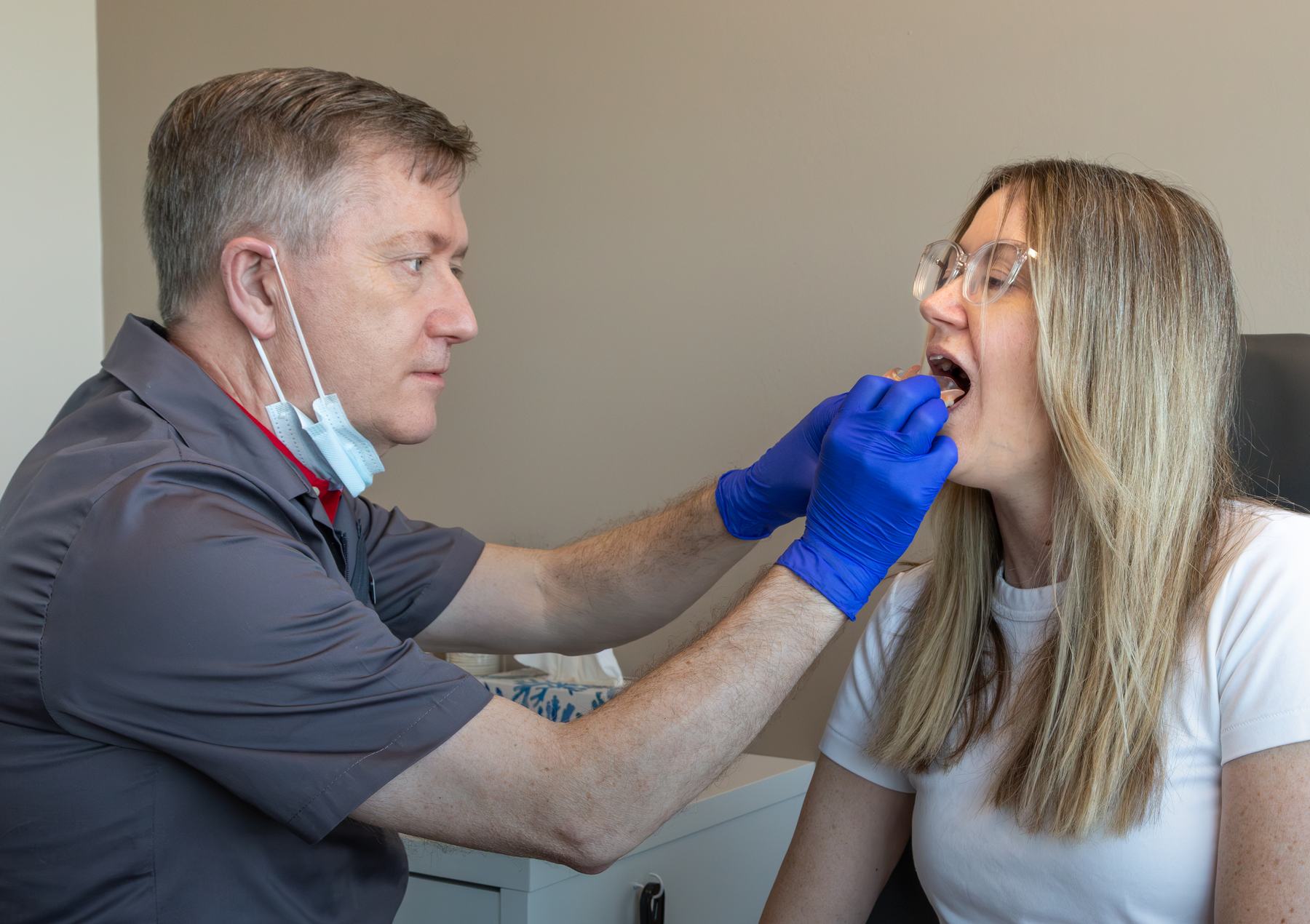
Even if your dentures feel comfortable, regular examinations remain important. Changes in the gums and supporting bone can occur gradually and may not be immediately noticeable.
During an examination, Michael can assess your denture fit, bite, stability and overall condition and recommend maintenance when appropriate.
How do I know if my dentures need to be relined?
Loose or unstable dentures, changes in retention, movement while eating or speaking, and new areas of discomfort can indicate that your denture fit has changed. An examination is the best way to determine whether a reline is appropriate.
How often should dentures be relined?
Atrium's patient information notes that dentures commonly require relining approximately every two to five years. The actual timing depends on how your mouth changes and the condition and fit of your dentures.
Does a reline mean getting a completely new denture?
No. A reline updates the fitting surface of your existing denture rather than replacing the entire denture.
Why do dentures become loose?
The bone and gums supporting a denture naturally change over time. Because the denture maintains its original shape, spaces can gradually develop underneath it and reduce its stability and retention.
Can every loose denture be relined?
Not necessarily. The denture's age, condition, bite, tooth wear and other factors need to be assessed. In some situations, replacing the denture may be more appropriate than relining it.
Book Your FREE Consultation
Let Us Take a Look at Your Denture Fit
If your dentures have become loose, unstable or uncomfortable, you may not need to replace them. Michael can assess their condition, identify why the fit has changed and determine whether a reline or another treatment option is appropriate.

Explore More