
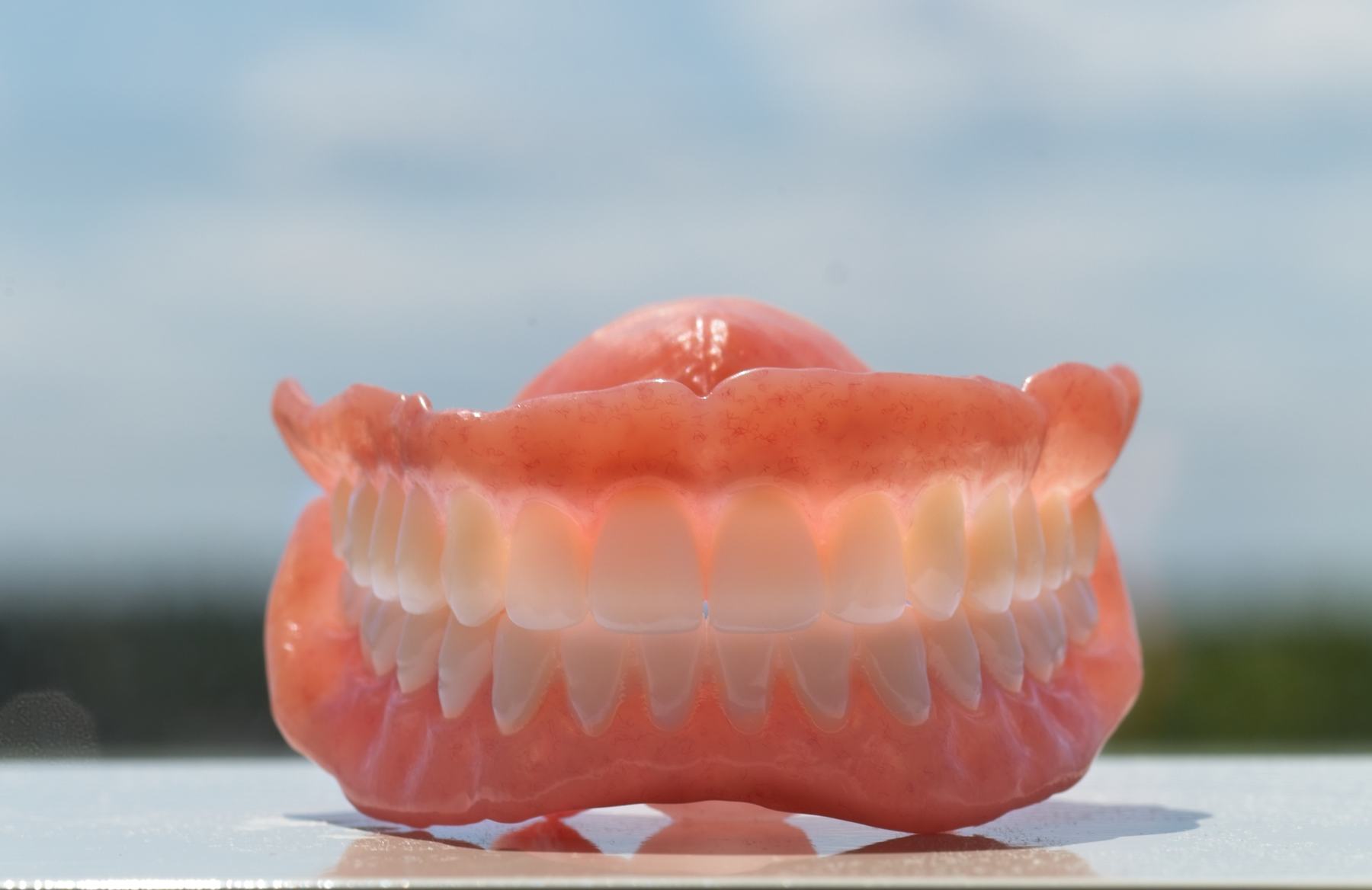
Cleaning Your Dentures
Make Denture Cleaning Part of Your Daily Routine
Clean your dentures after meals and again before bed to remove food particles and plaque. Use a denture brush or toothbrush along with an appropriate denture-cleaning product.
Handle your dentures carefully while cleaning them. Dentures can break if dropped, so cleaning them over a sink partially filled with water or over a folded towel can provide additional protection.
Avoid using regular toothpaste on your dentures. Many toothpastes are abrasive and can scratch the denture surface, creating areas where plaque and bacteria can accumulate more easily.
Caring for Your Mouth
Your Gums Need Care Too
Even if you no longer have natural teeth, your mouth still requires daily care. Gently clean and massage your gums with a soft toothbrush or damp cloth to help remove plaque and debris.
If you wear a partial denture, maintaining your remaining natural teeth is especially important. Brush and floss carefully around the teeth and areas that come into contact with your partial denture, where food and plaque can accumulate.
Continue regular dental examinations for any remaining natural teeth and regular denturist examinations for your dentures and supporting tissues.
Removing Your Dentures
Give Your Gums Time to Rest
Dentures should be removed for at least six hours during each 24-hour period. This gives the gums and supporting tissues an opportunity to rest from the pressure of wearing dentures.
For many people, overnight is the most convenient time to leave dentures out. Wearing dentures continuously, including while sleeping, can contribute to irritation and other tissue concerns.
When your dentures are out of your mouth, keep them moist unless you have been given different instructions for your specific denture.
Eating With Dentures
Give Yourself Time to Adapt
Eating with new dentures takes practice. Begin with softer foods and smaller bites while you become accustomed to how your dentures function. Chewing slowly and using both sides of your mouth can help improve stability.
As your confidence increases, gradually introduce a wider variety of foods. Dentures are artificial replacements for natural teeth, so some foods may always require additional care or modification.
If eating becomes increasingly difficult with dentures that previously functioned well, it may be a sign that their fit or bite has changed.
Denture Fit
Your Mouth Continues to Change
Your gums and supporting bone naturally change throughout your lifetime, while your dentures retain their original shape. Over time, this can create spaces underneath the denture and affect its fit, retention and stability.
A loose denture does not necessarily mean it needs to be replaced. Depending on its age, condition and fit, an adjustment or reline may help restore stability.
Protecting Your Dentures
Avoid At-Home Adjustments & Repairs
Do not attempt to reshape, adjust or repair your dentures yourself. Household glue and at-home modifications can damage the denture, alter its fit and make professional repair more difficult.
If your denture cracks, breaks or becomes uncomfortable, contact Atrium Denture Clinic so it can be properly assessed.
Regular Denture Examinations
Professional Care Remains Important
Regular denture examinations allow Michael Watson DD to assess the condition of your dentures, their fit and bite, and the health of the tissues supporting them.
These appointments are also an opportunity to identify gradual changes you may not have noticed yourself and determine whether adjustments, relining or eventual denture replacement should be considered.
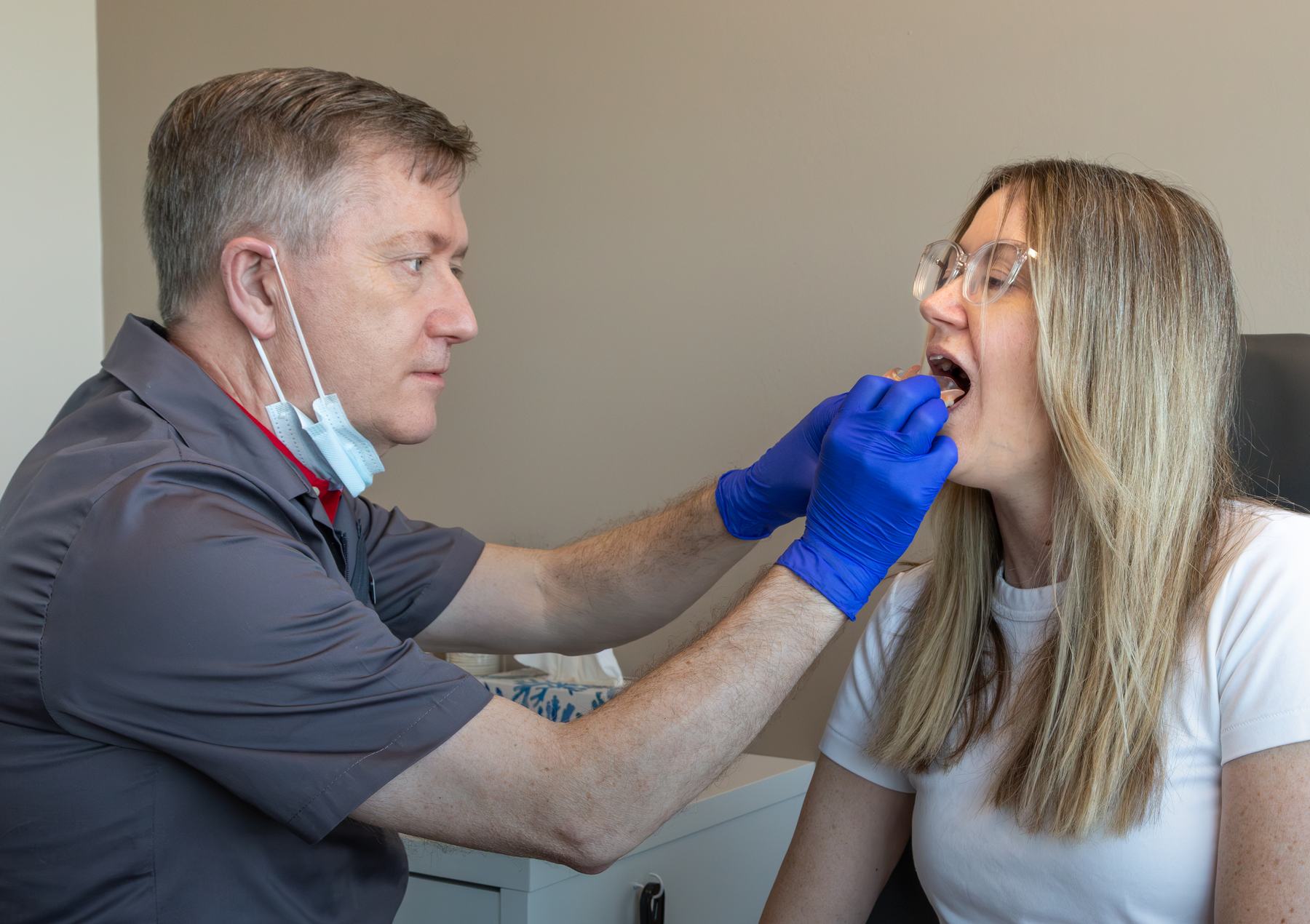
When to Contact Atrium
When to Contact Atrium Denture Clinic
Have your dentures professionally assessed if you notice persistent soreness, increasing movement, difficulty eating or speaking, changes in your bite, cracks or damage, or a significant change in how your dentures fit.
If something no longer feels right, it is better to have the cause assessed than to continue adapting to an uncomfortable or poorly fitting denture.
